

H-1B Premium Processing: What the 15-Business-Day Clock Really Covers

.svg)
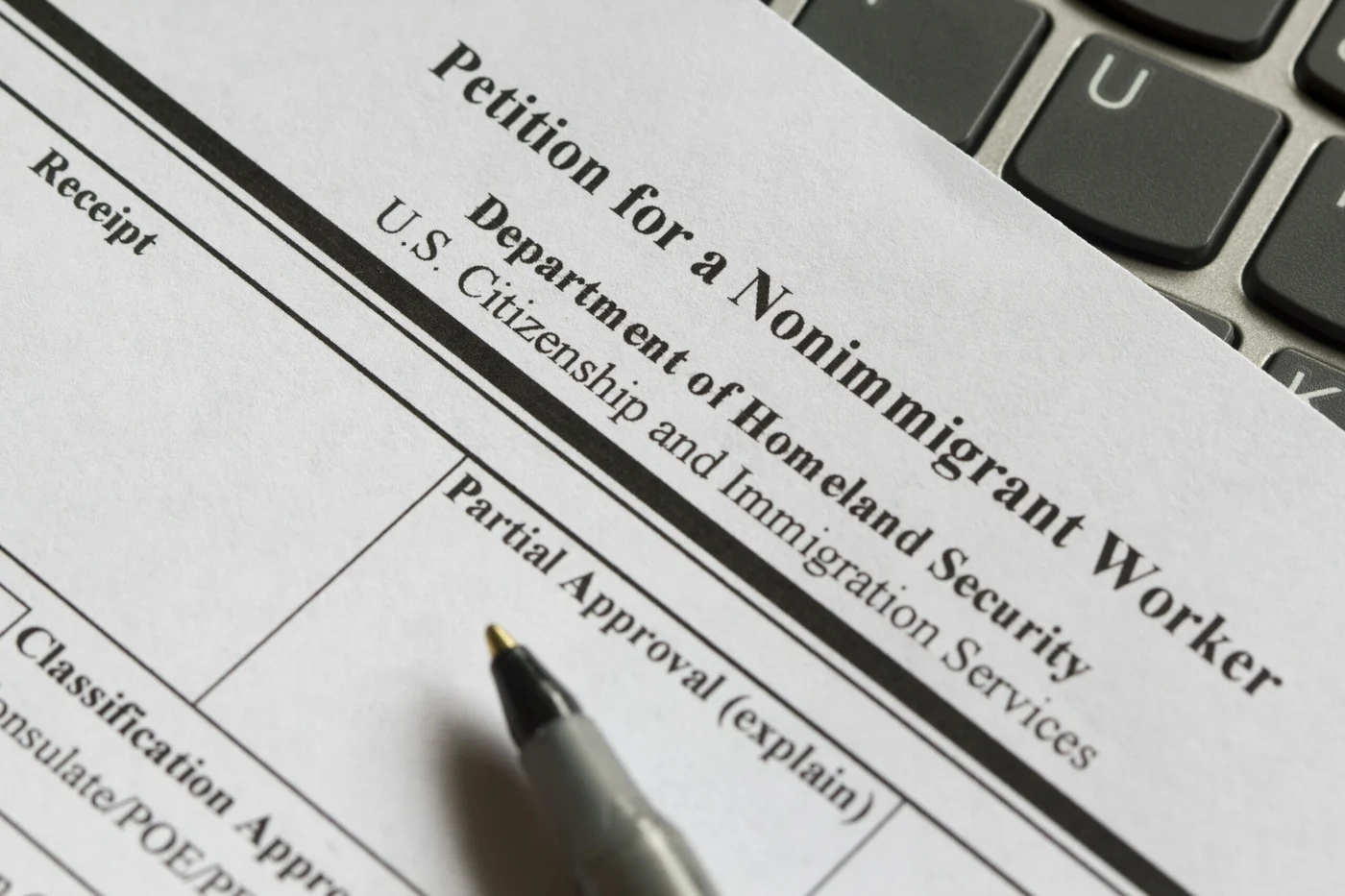
H-1B premium processing time is 15 business days for eligible Form I-129 filings. But that window has a narrow meaning: USCIS must take some adjudicative action on the petition within 15 business days of properly receiving both the filing and Form I-907, Request for Premium Processing Service. It does not mean the worker can start right away or receive a visa stamp in that time.
This guide covers what the premium processing clock actually includes, what it does not, and when the extra fee is worth paying. For the bigger picture, see Boundless's H-1B pillar guide and the full breakdown of how long the H-1B visa process takes.
Weighing whether premium processing makes sense for your H-1B filing? Speak with a Boundless immigration attorney about your timeline.
{{tip-1}}
What H-1B Premium Processing Time Actually Means
H-1B premium processing time is 15 business days, but a lot of people assume that covers the whole process. It does not. The clock starts when USCIS properly receives the premium processing request for an eligible filing and stops when USCIS takes a qualifying action on the case.
That action can be an approval, denial, rejection, Request for Evidence, Notice of Intent to Deny, or a notice that USCIS is opening a fraud or misrepresentation investigation. If USCIS issues an RFE or NOID, a new 15-business-day clock starts after USCIS receives the full response.
This is the part that trips people up. Premium processing speeds up only the petition decision stage. It does not replace the earlier filing and processing steps, and it does not fix evidence problems if the case is headed for an RFE.
What the 15-Business-Day Clock Includes
The premium processing clock covers USCIS action on the petition. It does not promise approval.
Premium processing buys speed to first agency action, not certainty. If an employer files weak specialty occupation evidence, inconsistent wage information, or an incomplete support letter, the result may be a fast RFE instead of a fast approval. Here is a detailed document checklist, and other documents you need for an H-1B visa.
What Premium Processing Does Not Speed Up
Premium processing does not shorten the parts of the H-1B timeline handled by other agencies, and it does not allow a case to skip legal requirements.
Labor Condition Application Timing
The H-1B petition generally cannot be filed until the employer obtains a certified Labor Condition Application on Form ETA-9035/9035E. The LCA is filed with the Department of Labor, not USCIS, and premium processing does not apply to that step.
Cap Registration and Selection
Premium processing does not affect annual H-1B registration or lottery selection. Cap-subject employers must complete electronic registration and selection before filing most cap-subject petitions. Premium processing does not improve lottery odds or move a cap-subject case ahead of the registration calendar. For that distinction, see H-1B cap-subject vs. cap-exempt.
Consular Processing and Visa Stamping
Premium processing does not schedule a visa interview or produce a visa stamp. Visa issuance depends on interview availability, local post operations, and security screening. A petition may be approved within 15 business days while the worker still waits weeks or months for a consular appointment. Next steps after approval are covered in what happens after H-1B approval.
H-1B Premium Processing Timeline by Filing Scenario
The value of premium processing depends on the type of case. A cap-subject new employment filing operates on a very different timeline than an extension, amendment, or employer change.
n cap-subject cases, the fee often buys certainty more than speed, because first-time cap-subject approvals still tie back to the fiscal-year start date. In cap-exempt, transfer, extension, and amendment cases, a quick approval can matter much more right away.
When Premium Processing Is Worth the Fee
Premium processing generally makes sense when delay has a real cost — legal, payroll, travel, or business. It helps much less when the biggest delay sits somewhere outside USCIS.
The premium processing fee is separate from standard H-1B petition costs. For the broader fee breakdown, see how much an H-1B visa costs.
Scenarios Where the Fee Often Makes Sense
- Planned start date risk. The employer needs a decision for onboarding, payroll setup, or client placement by a fixed date.
- Travel planning. The beneficiary needs an approved petition before international travel or the consular process can move forward.
- Competing offer pressure. A new employer wants a quick approved transfer petition, even though portability rules may already allow work in some cases.
- Extension timing pressure. The worker has upcoming visa stamping, dependent status issues, or internal compliance deadlines tied to the approval notice.
- Time-sensitive amendment. A worksite or role change needs quick resolution to reduce compliance risk.
Scenarios Where the Fee May Not Change Much
- Lottery-stage cap-subject planning. Premium processing does not affect registration selection.
- Consular bottlenecks. If the main delay is interview availability abroad, the petition may be approved quickly while the employee still cannot enter for weeks.
- Weak evidence. If the filing is likely to draw an RFE, premium processing may only speed up the RFE cycle.
A practical way to evaluate the decision: compare the premium fee to the cost of waiting. If a delay of a few weeks could push back a project launch, require backup staffing, delay revenue, or complicate travel, the fee may be straightforward to justify. If the case is cap-subject and the employee cannot start before the statutory date anyway, the main benefit is usually faster planning, not earlier work.
For employers still deciding whether H-1B is the right category, see whether the H-1B is the right visa option. For qualification rules, see who can apply for an H-1B visa.
How to Request Premium Processing for an H-1B Petition
Employers request premium processing by filing Form I-907 for an eligible H-1B petition and paying the separate fee. USCIS allows the request to be filed with the underlying petition or, in many cases, after the petition is already pending.
- Confirm eligibility. Verify that the H-1B filing type is currently eligible for premium processing on the USCIS premium processing page.
- Prepare the Form I-129 package. Include the certified Labor Condition Application and all supporting evidence.
- Complete Form I-907. Use the petition information that matches the H-1B filing exactly.
- Verify the current fee. Confirm the premium processing fee on the USCIS filing fees page before submitting.
- File Form I-907. Submit it at the same time as the H-1B petition or later for a pending eligible case, following USCIS filing instructions.
- Track the receipt notice date. The 15-business-day premium clock runs from proper USCIS receipt.
- Respond quickly to any RFE or NOID. A new premium clock starts after USCIS receives the response.
{{cta-component-horizontal-aligned}}
Related Info

.svg)
Key Takeaways
- USCIS premium processing for eligible H-1B Form I-129 petitions requires agency action within 15 business days after proper filing.
- The 15-business-day clock covers a USCIS action — approval, denial, rejection, notice of intent to deny, request for evidence, or fraud review — not the full H-1B process.
- Premium processing does not speed up the Labor Condition Application with the Department of Labor, the annual H-1B registration and selection process, visa interview scheduling, or consular issuance.
- The premium processing fee for eligible Form I-129 cases is listed on the USCIS filing fees page; confirm the current amount before filing, as fees can change.
- Premium processing is most useful when timing affects payroll start dates, work authorization continuity, travel planning, project staffing, or the ability to respond quickly to a competing offer.
.svg)
Key Takeaways
- USCIS premium processing for eligible H-1B Form I-129 petitions requires agency action within 15 business days after proper filing.
- The 15-business-day clock covers a USCIS action — approval, denial, rejection, notice of intent to deny, request for evidence, or fraud review — not the full H-1B process.
- Premium processing does not speed up the Labor Condition Application with the Department of Labor, the annual H-1B registration and selection process, visa interview scheduling, or consular issuance.
- The premium processing fee for eligible Form I-129 cases is listed on the USCIS filing fees page; confirm the current amount before filing, as fees can change.
- Premium processing is most useful when timing affects payroll start dates, work authorization continuity, travel planning, project staffing, or the ability to respond quickly to a competing offer.
Key Takeaways
- USCIS premium processing for eligible H-1B Form I-129 petitions requires agency action within 15 business days after proper filing.
- The 15-business-day clock covers a USCIS action — approval, denial, rejection, notice of intent to deny, request for evidence, or fraud review — not the full H-1B process.
- Premium processing does not speed up the Labor Condition Application with the Department of Labor, the annual H-1B registration and selection process, visa interview scheduling, or consular issuance.
- The premium processing fee for eligible Form I-129 cases is listed on the USCIS filing fees page; confirm the current amount before filing, as fees can change.
- Premium processing is most useful when timing affects payroll start dates, work authorization continuity, travel planning, project staffing, or the ability to respond quickly to a competing offer.
Not sure if premium processing is right for your case?
Talk to a Boundless immigration attorney before you file.
Not sure if premium processing is right for your case?
Talk to a Boundless immigration attorney before you file.
FAQs
Eligible H-1B Form I-129 cases receive USCIS action within 15 business days. That action can be an approval, denial, rejection, RFE, NOID, or fraud-related notice. It does not always mean final approval within that window.
No. Premium processing guarantees a faster USCIS response, not a favorable outcome. If the petition has eligibility issues or missing evidence, USCIS can deny the case or issue an RFE within the premium window.
No. Annual cap registration and selection happen before petition filing for most cap-subject cases. Premium processing applies only after an eligible petition is filed.
It can speed up the USCIS petition decision, but it does not speed up visa interview scheduling or consular issuance. Wait times and post operations vary by embassy or consulate, so the worker's location matters significantly.
Often, yes, if the employer wants quick certainty after selection. But it does not move a first-time cap-subject start date earlier than the statutory timeline. In most cap-subject cases, the real benefit is faster planning and less uncertainty, not earlier employment.






.svg)
.avif)