

H-1B Visa Costs in 2026: Filing Fees, Attorney Fees, and Who Pays

.svg)
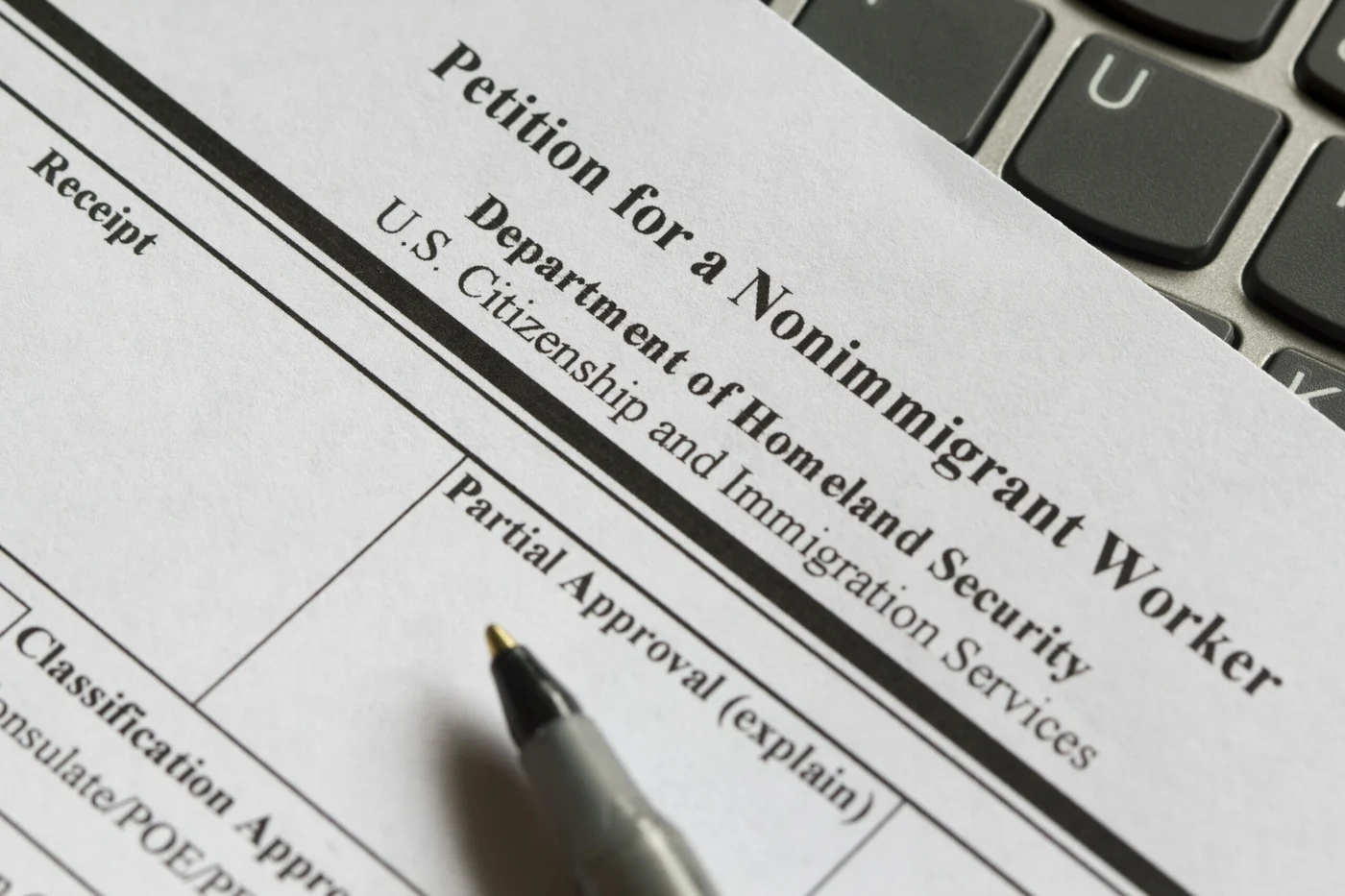
H-1B visa costs in 2026 usually start in the low thousands and climb quickly once you add employer size, premium processing, and legal fees. For most employers, the total is a stack of separate charges: the Form I-129 filing fee, the ACWIA training fee, the fraud prevention fee, the asylum program fee, optional premium processing, and attorney costs.
This guide breaks down what an H-1B filing actually costs, who is required to pay each fee under U.S. labor and immigration rules, and how to estimate the total for different types of cases.
Have questions about H-1B costs or who's responsible for paying? Speak with a Boundless immigration attorney before you file.
{{tip-1}}
How Much Does an H-1B Visa Cost in 2026?
An H-1B filing typically costs several thousand dollars once you include the required government fees and legal work. The base filing fee for Form I-129 is only one part of the total.
{{tip-2}}
A straightforward H-1B petition without premium processing may cost an employer around $2,000 to $6,000 or more. A premium case with outside counsel can run past $7,000 to $10,000. The exact total depends on petition type, company headcount, whether any exemptions apply, and whether extra work comes up after a request for evidence. For the timing side of the process, see how long the H-1B visa process takes.
What Are the USCIS Filing Fees for H-1B Cases?
USCIS charges several different fees for H-1B filings, and not every employer pays the same combination. The filing fee depends on the USCIS schedule in effect on the date of filing.
The main H-1B government charges include:
- Form I-129 base filing fee. The standard petition filing fee set by USCIS. Confirm the current amount on the USCIS fee schedule before filing, as fee rules change.
- Asylum program fee. Added under the updated USCIS fee rule, the amount varies depending on whether the petitioner is a nonprofit, small employer, or another filer category.
- ACWIA fee. Generally $750 or $1,500 depending on workforce size, unless the petitioner qualifies for a statutory exemption.
- Fraud prevention and detection fee. For initial H-1B petitions and certain employer-change petitions, this fee is generally $500.
- Premium processing fee. Optional, paid only if the petitioner requests faster adjudication using Form I-907.
A stale fee amount or the wrong payment method can result in the whole package being rejected — confirm the filing page right before submission.
ACWIA Fee, Fraud Fee, and Asylum Program Fee Explained
These three charges cause the most confusion because they do not apply the same way in every case.
The ACWIA fee is generally $750 for employers with 25 or fewer full-time equivalent employees and $1,500 for employers with 26 or more. Certain petitioners are exempt, including some institutions of higher education and affiliated nonprofit entities. Whether an employer qualifies often turns on organizational structure, not just tax status.
The fraud prevention and detection fee is generally $500 for initial H-1B petitions and petitions for a worker changing H-1B employers. It generally does not apply to a same-employer extension, though employers should confirm the instructions for each specific filing.
The asylum program fee varies under the current USCIS fee framework. Nonprofits and some small employers may qualify for reduced rates. This changes the math for startups and midsize companies — many older H-1B cost calculators online still leave this fee out entirely.
How Much Is Premium Processing for H-1B?
Premium processing is optional and requested using Form I-907. It does not improve lottery odds, eligibility, or the chances of approval — it only changes how quickly USCIS acts after accepting the case. For a full explanation, see H-1B premium processing time.
In practice, premium processing affects cost planning in three ways:
- It adds a separate USCIS fee, often one of the largest add-ons in the filing package.
- It can raise legal fees, as some firms charge more for faster preparation and tighter timelines.
- It may reduce indirect business costs by shortening uncertainty around start dates, work authorization transitions, or travel planning.
Whether the employee can pay for premium processing depends on why it is being requested. If the upgrade mainly benefits the employer, having the worker pay can create wage-compliance issues under Department of Labor H-1B wage deduction rules.
What Do Attorney Fees and Other H-1B Costs Add?
Attorney fees are often the second-largest cost after government filing fees. There is no government-set legal fee, so pricing varies by firm, case complexity, and the level of support included.
Workers applying for an H-1B visa stamp at a U.S. consulate generally also pay a Department of State machine-readable visa application fee, separate from the USCIS petition fees.
For budgeting purposes, it helps to think in three buckets: mandatory petition costs paid to USCIS, professional preparation costs such as legal fees and evaluations, and post-approval travel and consular costs if the worker must apply for a visa abroad. Workers often see only the consular fee and assume that is the full H-1B cost. In employer-sponsored cases, the bigger expense is almost always the petition package filed long before visa stamping enters the picture.
Who Has to Pay H-1B Fees by Law?
U.S. labor rules do not allow employers to shift every H-1B expense onto the worker. Deductions that primarily benefit the employer may not reduce pay below the required wage.
The general payment rules:
- Employer must generally pay the ACWIA fee. This fee typically cannot be charged to the employee.
- Employer typically pays the fraud prevention fee. It is generally treated as an employer business expense.
- Employer often pays the Form I-129 filing costs. Requiring the worker to cover these fees can create compliance issues if it effectively lowers wages below the required level.
- Premium processing is fact-specific. If requested for the employee's personal convenience, worker payment may be permitted in some situations. If it primarily benefits the employer, employer payment is the safer approach.
- Attorney fees depend on the service being purchased. If the legal work is part of the employer's petition obligations, the employer generally should pay.
Employers have to stay compliant with wage and Labor Condition Application requirements throughout the H-1B period. A fee arrangement that looks acceptable at first can still become a wage violation if deductions push actual pay below the required wage rate.
What This Means in Practice
The rule is not as simple as "the employer pays everything" or "the worker can pay optional fees." The real question is whether the cost is an employer business expense and whether any employee payment creates a wage problem.
For example: a software company filing a first-time cap-subject H-1B for a new hire should generally expect to pay the main petition fees and legal preparation costs. An employee who wants premium processing for personal travel plans may be able to cover that fee in some situations, but the employer should review wage and documentation issues first. A worker repaying mandatory petition costs through payroll deductions can create compliance risk, particularly if those deductions bring wages below the LCA rate.
For the related eligibility side of the process, see who can apply for an H-1B visa.
One point online calculators often miss: the same H-1B case can end up costing significantly more if the worker applies for a visa stamp abroad rather than changing status inside the United States. A consular case can add Department of State fees, travel, document shipping, and delay-related costs. For that distinction, see H-1B change of status vs. consular processing.
How to Budget for an H-1B Filing
Employers that budget only for the base filing fee typically come up short by several thousand dollars. A realistic budget starts with required USCIS fees, adds counsel, then layers on case-specific costs.
- Confirm current USCIS fees. Check the Form I-129 and asylum program fees on the USCIS fee schedule before filing.
- Determine the ACWIA fee. Confirm whether the employer owes $750 or $1,500, or qualifies for a statutory exemption.
- Add the fraud prevention fee if the filing is an initial petition or qualifying employer-change petition.
- Decide on premium processing based on business timing, not convenience alone.
- Request a written legal fee quote that specifies whether RFE responses, amendments, and consular support are included.
- Add credential evaluations, translations, and shipping if the case involves foreign education or foreign civil documents.
- Budget for visa stamping and travel only if the worker will need a consular appointment abroad.
- Review any employee-paid costs against Department of Labor wage-deduction rules before finalizing any arrangement.
Edge Cases That Can Change the Total H-1B Cost
H-1B Transfer Cases
An employer-change case can carry the $500 fraud prevention fee even though the worker already holds H-1B status. Employers should not assume a transfer will cost the same as a same-employer extension. For the mechanics, see the H-1B transfer process.
Extensions and Amendments
Extension and amendment costs depend on whether the filing is a same-employer continuation, whether the fraud fee applies, and whether new evidence is needed. Employers should review each filing category separately rather than assume future H-1B filings will cost the same as the initial petition. Related details appear in the H-1B extension process and H-1B amendment requirements.
Requests for Evidence and Denials
An RFE can add significant legal fees and internal document preparation costs even though USCIS does not charge a new filing fee for the response. If the case is denied, refiling typically means paying a fresh set of filing fees. For common evidence issues, see common H-1B RFE reasons.
Cap-Exempt and Affiliated Nonprofit Analysis
Some universities, nonprofit entities, and affiliated organizations may qualify for fee exemptions or different filing treatment, but these cases often turn on legal structure and affiliation evidence. The savings can be meaningful if an ACWIA exemption applies, though many organizations need legal analysis to document that status correctly. For the cap question, see H-1B cap-subject vs. cap-exempt.
{{cta-component-horizontal-aligned}}
Related Info

.svg)
Key Takeaways
- Most H-1B employers pay several mandatory government fees, not just the base filing fee for Form I-129.
- Premium processing is optional and requires a separate fee paid with Form I-907, Request for Premium Processing Service.
- The ACWIA training fee is $750 for employers with 25 or fewer full-time equivalent employees and $1,500 for larger employers, subject to statutory exemptions.
- Employers generally cannot require the worker to pay fees that would push wages below the required wage, and some fees must be paid by the employer under law.
- Total H-1B filing costs typically fall between $2,500 and $9,000 or more before any visa stamping or travel costs, depending on employer size and the level of attorney involvement.
- A presidential proclamation effective September 21, 2025 added a $100,000 fee for certain H-1B petitions involving applicants outside the United States. Extensions, amendments, and cap-exempt petitions are not affected.
Important update: A presidential proclamation effective September 21, 2025 introduced an additional $100,000 fee for H-1B petitions where the applicant is outside the United States. This fee is separate from the standard filing, training, and anti-fraud fees listed below. It does not apply to extensions, amendments, or cap-exempt petitions. Confirm current applicability with counsel before filing.
.svg)
Key Takeaways
- Most H-1B employers pay several mandatory government fees, not just the base filing fee for Form I-129.
- Premium processing is optional and requires a separate fee paid with Form I-907, Request for Premium Processing Service.
- The ACWIA training fee is $750 for employers with 25 or fewer full-time equivalent employees and $1,500 for larger employers, subject to statutory exemptions.
- Employers generally cannot require the worker to pay fees that would push wages below the required wage, and some fees must be paid by the employer under law.
- Total H-1B filing costs typically fall between $2,500 and $9,000 or more before any visa stamping or travel costs, depending on employer size and the level of attorney involvement.
- A presidential proclamation effective September 21, 2025 added a $100,000 fee for certain H-1B petitions involving applicants outside the United States. Extensions, amendments, and cap-exempt petitions are not affected.
Important update: A presidential proclamation effective September 21, 2025 introduced an additional $100,000 fee for H-1B petitions where the applicant is outside the United States. This fee is separate from the standard filing, training, and anti-fraud fees listed below. It does not apply to extensions, amendments, or cap-exempt petitions. Confirm current applicability with counsel before filing.
Key Takeaways
- Most H-1B employers pay several mandatory government fees, not just the base filing fee for Form I-129.
- Premium processing is optional and requires a separate fee paid with Form I-907, Request for Premium Processing Service.
- The ACWIA training fee is $750 for employers with 25 or fewer full-time equivalent employees and $1,500 for larger employers, subject to statutory exemptions.
- Employers generally cannot require the worker to pay fees that would push wages below the required wage, and some fees must be paid by the employer under law.
- Total H-1B filing costs typically fall between $2,500 and $9,000 or more before any visa stamping or travel costs, depending on employer size and the level of attorney involvement.
- A presidential proclamation effective September 21, 2025 added a $100,000 fee for certain H-1B petitions involving applicants outside the United States. Extensions, amendments, and cap-exempt petitions are not affected.
Important update: A presidential proclamation effective September 21, 2025 introduced an additional $100,000 fee for H-1B petitions where the applicant is outside the United States. This fee is separate from the standard filing, training, and anti-fraud fees listed below. It does not apply to extensions, amendments, or cap-exempt petitions. Confirm current applicability with counsel before filing.
Not sure which fees apply to your H-1B case or who's responsible for paying?
Talk to a Boundless immigration attorney before you file.
Not sure which fees apply to your H-1B case or who's responsible for paying?
Talk to a Boundless immigration attorney before you file.
FAQs
Total H-1B visa cost typically includes several USCIS filing fees plus attorney fees and, in some cases, consular visa costs. For most private employers, a straightforward filing lands around $2,500 to $9,000 or more, depending on employer size, premium processing, and whether extra work such as an RFE response is needed.
In most cases, the employer must pay the main petition-related costs, particularly the ACWIA fee and other expenses treated as employer business costs. Employers cannot set up payment arrangements that reduce wages below the required wage under Department of Labor rules.
No. Premium processing is optional and requires a separate filing and fee through Form I-907. It is an add-on, not part of the standard H-1B petition fee.
Yes. Employer size affects the ACWIA fee, and nonprofit or university-related petitioners may qualify for different fee treatment or exemptions. The asylum program fee can also vary by filer category, so a startup, a large private employer, and a university may face very different total costs for similar H-1B cases.
Yes. A worker who needs visa stamping abroad may also pay a separate Department of State visa application fee and incur travel, lodging, and document-shipping costs. Those expenses vary by location and appointment availability, so consular cases often cost more than change-of-status cases filed entirely inside the United States.
.jpeg)





.svg)
.avif)