

.svg)
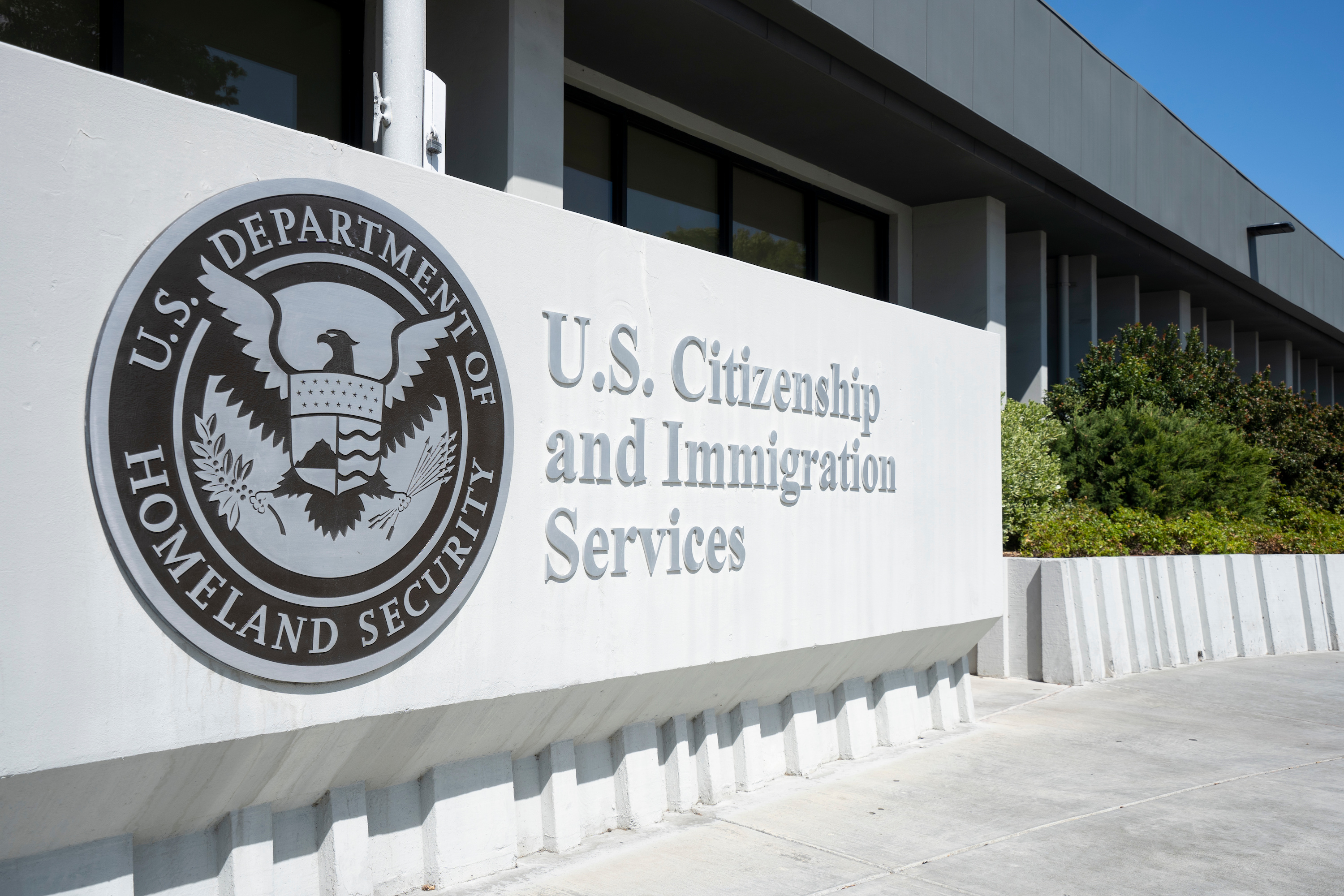
U.S. Citizenship and Immigration Services (USCIS) has changed its policy on incomplete immigration applications, giving officers broader discretion to deny a request without first asking for missing evidence.
Under the updated guidance, applicants and petitioners are expected to demonstrate that they qualify for an immigration benefit and submit all required initial evidence when they file. If required documents are missing or the filing does not establish eligibility, an officer may deny the request without first issuing a Request for Evidence (RFE) or Notice of Intent to Deny (NOID).
The policy is effective immediately and applies to benefit requests that are pending or filed on or after August 5, 2026, unless a regulation or other USCIS policy provides different instructions.
What Changed?
Under a policy introduced in 2021, USCIS officers were generally encouraged to issue an RFE or NOID when additional evidence could potentially establish eligibility. This often gave applicants an opportunity to correct an incomplete filing or provide documents that had been overlooked.
USCIS has now withdrawn that guidance and restored a policy similar to one used during the first Trump administration.
Officers may still issue an RFE when additional information could help them decide a case. However, applicants should no longer assume they will receive an opportunity to correct missing initial evidence after filing.
"This policy puts much more pressure on applicants to get everything right the first time," said Xiao Wang, CEO of Boundless. "USCIS officers can still issue Requests for Evidence when appropriate, but applicants should no longer assume they'll have an opportunity to fix missing documents after they file. Taking the time to submit a complete application from the start is more important than ever."
RFE Response Deadlines May Also Be Shorter
The updated guidance also clarifies that although the maximum response period for an RFE is generally 12 weeks, officers may provide less time depending on the type of evidence requested and the circumstances of the case.
USCIS has also replaced the previous additional 14-day mailing allowance for notices sent outside the United States with a standard three-day allowance. This may leave applicants living abroad with less time to receive and respond to a notice.
What Applicants Should Know
The change makes it particularly important to submit a complete and carefully reviewed application from the beginning. Missing documents such as financial records, civil documents, certified translations, signatures, filing fees, or required supporting forms could now lead directly to a denial.
Applicants should review the latest USCIS form instructions, confirm that they are using the correct edition of each form, and include all evidence required for their specific immigration category.
Anyone preparing an immigration application or petition should consider having the filing reviewed by an experienced immigration attorney before submitting it. A mistake that might previously have resulted in an RFE could now result in a denial.
{{cta-component-horizontal-aligned}}
.svg)
.png)
Don't risk an avoidable denial.
Submitting a complete immigration application is now more important than ever. Talk to a Boundless-affiliated immigration attorney before you file.
Don't risk an avoidable denial.
Submitting a complete immigration application is now more important than ever. Talk to a Boundless-affiliated immigration attorney before you file.

.png)






.svg)
.avif)