


.svg)
U.S. Immigration News
October Visa Bulletin Brings Mixed News for Green Card Applicants
The October Visa Bulletin is out, with significant movement as the new fiscal year begins. Several China employment-based categories advanced, while India’s previously unavailable EB-2 and EB-5 categories reopened. EB-4 also moved forward by more than two years. But there’s bad news for many applicants: EB-2 and EB-3 dates for most countries moved backward. The State Department said the retrogression was necessary to keep visa issuance within annual limits, an unusually cautious start to FY2027.
USCIS Raises Some Immigration Fees for 2027
USCIS is raising several immigration fees to account for inflation, with the new rates taking effect Oct. 16. The annual asylum application fee will increase from $102 to $105, while the immigration parole fee will rise from $1,020 to $1,050. Certain initial employment authorization applications will increase from $560 to $570, and the Temporary Protected Status application fee will rise from $510 to $520. Applications postmarked on or after Oct. 16 without the correct fee may be rejected.
Second Federal Court Blocks $100,000 H-1B Fee
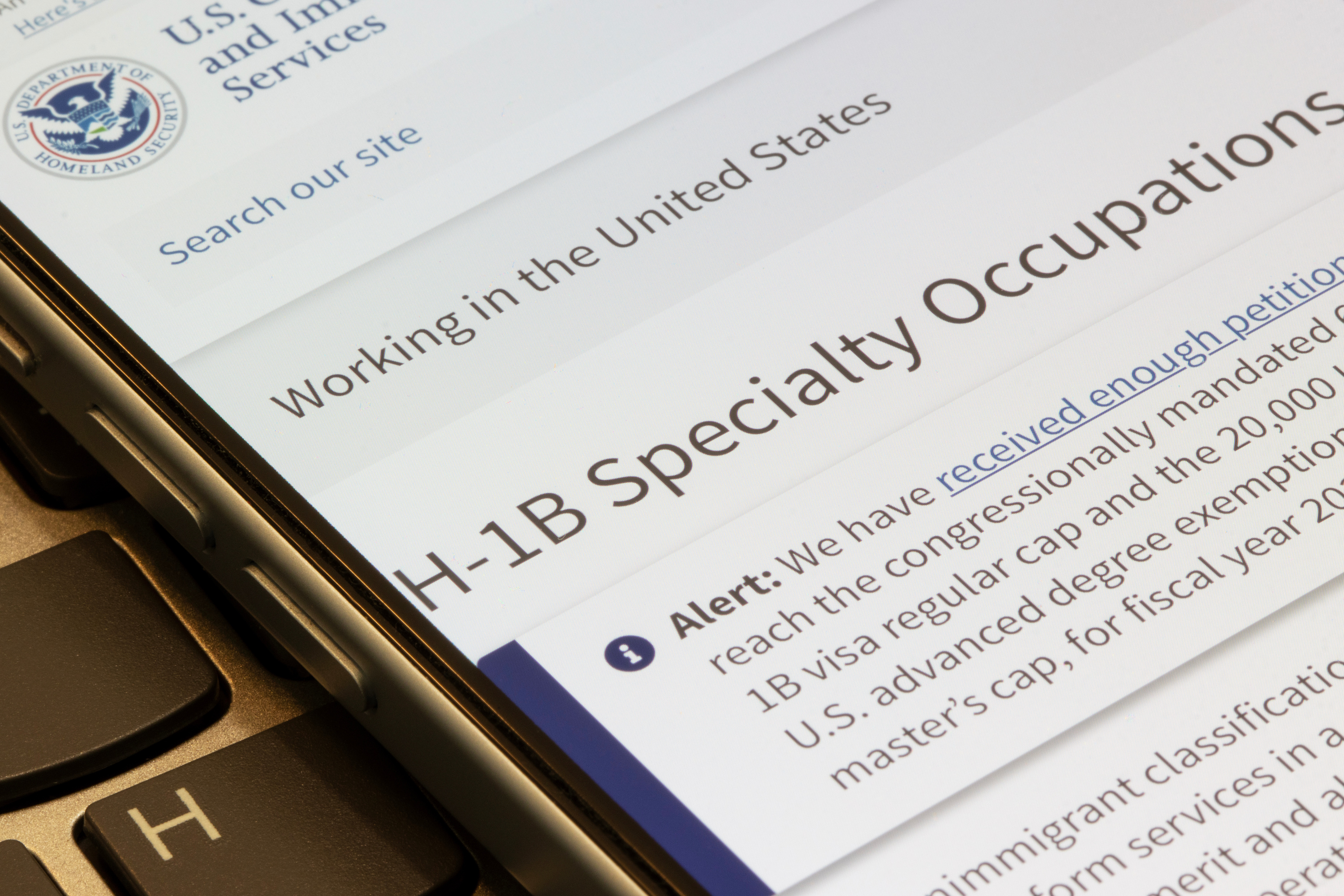
A federal judge in California has blocked the Trump administration’s $100,000 fee on certain new H-1B petitions, marking the second court ruling against the policy. Judge Haywood S. Gilliam Jr. found that immigration agencies failed to follow required rulemaking procedures. The fee remains blocked for now, although the administration is continuing to defend the policy in court. Questions also remain about petitions affected while the fee was in place and whether employers who already paid it will receive refunds.
U.S. Citizenship Backlog Grows to More Than 727,000 Applications
More than 727,000 standard naturalization applications were pending at USCIS at the end of the third quarter of fiscal year 2026. USCIS received nearly 146,000 N-400 applications during the quarter but completed about 70,500 cases. The median processing time for non-military naturalization applications reached 9.5 months. The figures show applications arriving considerably faster than USCIS was completing them during the April-to-June quarter.
EB-5 Fees Set to Rise in November
USCIS is significantly raising fees for the EB-5 immigrant investor program starting Nov. 30. The filing fee for Form I-526E, used by regional center investors, will more than double from $3,675 to $7,850, while the fee for standalone investors filing Form I-526 will rise from $3,675 to $7,615. The Form I-829 fee to remove conditions on permanent residence will increase from $3,750 to $5,000. USCIS says the new fee schedule is designed to cover the full cost of administering the EB-5 program.
{{cta-component-horizontal-aligned}}
.svg)
.png)
Ready to take the next step?
See how Boundless can help you navigate your immigration journey.
Ready to take the next step?
See how Boundless can help you navigate your immigration journey.

.png)




.svg)
.avif)