

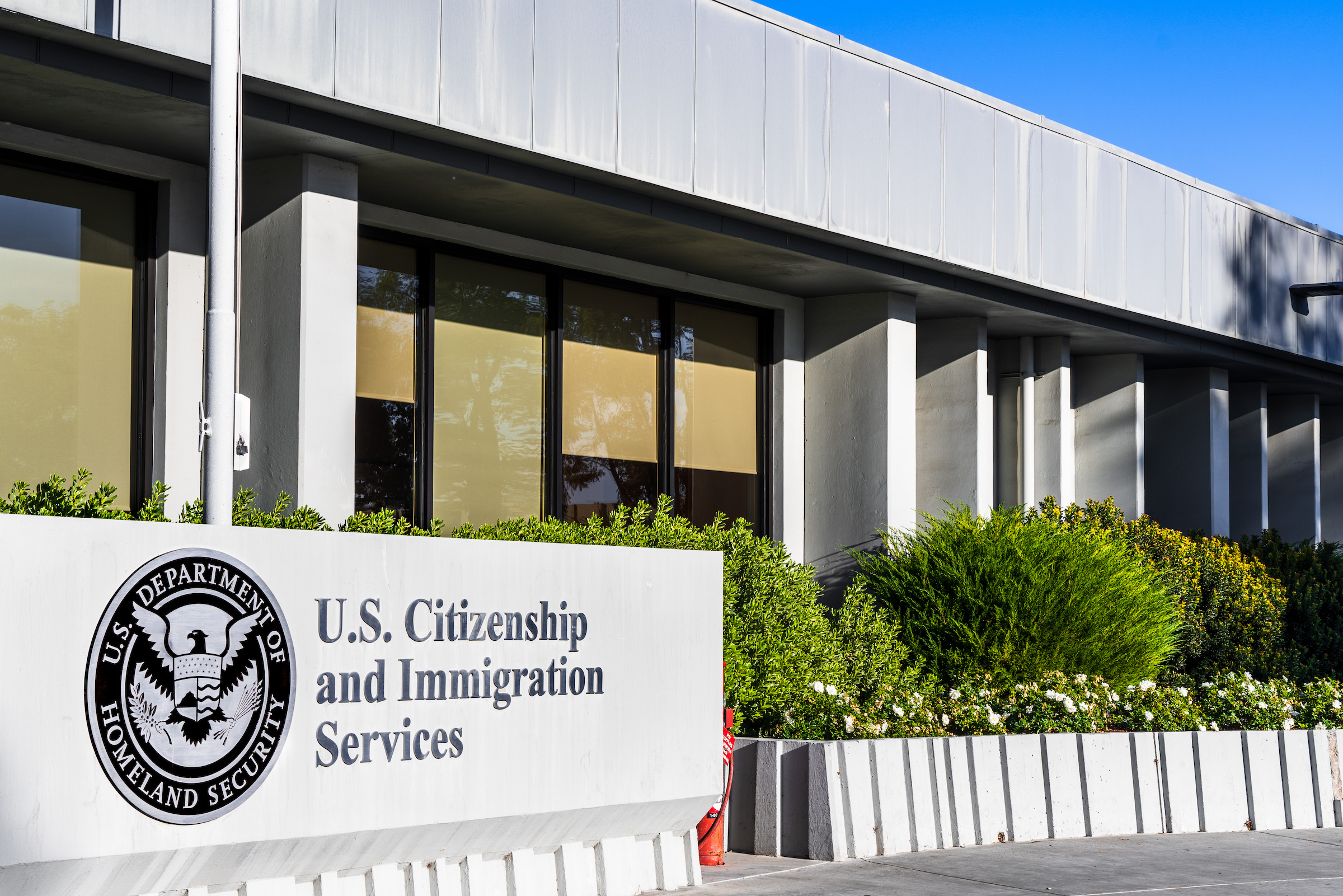

Employers and foreign nationals are facing growing uncertainty as U.S. Citizenship and Immigration Services (USCIS) struggles with a mounting backlog of immigration applications and petitions. Immigration attorneys have reported delays involving premium processing, late receipt notices, and limited information from USCIS about when cases will be resolved.
New data from Boundless shows that some employment-based immigration cases are taking longer to process, even when employers pay for premium processing. The number of inquiries Boundless has sent to USCIS has also more than doubled compared with the same period last year.
The problems come as the agency's overall backlog reaches a new high. According to a September analysis by the American Immigration Council, USCIS had 12.1 million pending cases in the second quarter of fiscal year 2026, up 7.2% from the same period a year earlier.
For employers, the delays complicate immigration planning and create additional administrative work. For foreign workers and their families, they can mean weeks or months of uncertainty about their immigration cases.
Boundless data shows longer processing times
An analysis of Boundless's employment-based immigration filings shows longer approval times in several categories, alongside a growing volume of correspondence with government agencies.
Among H-1B petitions filed with premium processing that did not receive a request for evidence (RFE), the typical time from filing to approval increased from 14 days in 2025 to 18 days in 2026.
The delays have become more pronounced in recent months. Since July, 38% of premium-processed H-1B petitions without an RFE took more than three weeks from filing to approval, compared with 15% during the first half of 2026.
Boundless also found longer processing times for employment-based green card applications. The median time to approval for adjustment-of-status applications increased from 121 days in 2025 to 157 days in 2026, an increase of approximately 30%. For cases approved since July, the median reached 175 days.
Meanwhile, nearly three in four EB-1 immigrant petitions filed by Boundless in 2026 received an RFE, compared with approximately two in five in 2025.
The additional processing steps can make it harder for employers and applicants to predict when a case will be resolved.
USCIS inquiries more than double
The growing uncertainty is also creating additional work for immigration teams.
Boundless sent 124% more case inquiries to USCIS in 2026 than during the same period in 2025. Since July, the monthly pace of inquiries has been approximately 70% higher than during the first half of the year.
Correspondence with government agencies increased 34% year over year, while Boundless's filing volume grew by approximately 4%.
The figures suggest that immigration teams are spending more time following up on pending cases, even as their overall filing volume has changed relatively little.
These inquiries are typically made when a case warrants follow-up, such as when a processing deadline has passed or a receipt notice is significantly delayed. They are different from repeated requests for updates on cases that remain within normal processing times.
Attorneys report problems with premium processing
Premium processing allows employers and eligible applicants to pay an additional fee for expedited USCIS action on certain immigration petitions and applications.
Depending on the case type, USCIS generally must take action within 15, 30, or 45 business days. That action may be an approval, denial, request for evidence, or notice of intent to deny. Premium processing does not guarantee approval.
In August 2026, the American Immigration Lawyers Association (AILA) published a practice alert addressing premium processing adjudications, delays, and refunds. The organization also encouraged attorneys to continue reporting problems to its USCIS Operations Committee.
Earlier in the year, immigration attorneys reported that premium processing email receipts were no longer consistently arriving within one or two business days. Some took as long as a week, and certain cases undergoing additional security review experienced substantially longer delays.
Attorneys also described receiving USCIS responses stating that cases were under review without providing an estimated decision date.
Under federal regulations, USCIS generally must refund the premium processing fee if it fails to take the required action within the applicable deadline. Certain exceptions apply, including cases involving fraud or misrepresentation investigations.
Receipt notice delays have improved, but some cases still face long waits
Attorneys have also raised concerns about delays in receiving Form I-797 receipt notices, which confirm that USCIS has received an immigration filing.
In April 2026, AILA reported significant delays in receipt notices issued by mail and through online USCIS accounts across multiple service centers.
Boundless's more recent data suggests that receipt notice times have largely improved since the summer. For employment-based filings submitted since August, approximately nine in ten received a receipt notice within about six days.
However, some cases continue to experience unusually long waits.
Among H-1B petitions filed in July and August, the longest waits for receipt notices reached approximately 88 to 90 days. Some I-140 immigrant petitions filed in August and September took as long as 52 to 62 days to receive a notice.
These cases are exceptions rather than representative processing times, but they point tothe uncertainty applicants can face when USCIS does not promptly acknowledge a filing.
Receipt notices are also important for families filing dependent applications alongside a principal worker's petition.
Although these filings are related, they do not necessarily move through USCIS at the same pace. Premium processing of the principal worker's petition does not automatically guarantee expedited adjudication of accompanying dependent applications.
A delayed receipt notice does not necessarily mean an application was rejected or that the applicant has lost lawful status. Applicants should retain proof of filing and consult immigration counsel about any approaching deadlines.
USCIS backlogs continue to grow
The delays come against a backdrop of increasing pending caseloads across USCIS.
The American Immigration Council found that USCIS completed approximately 1.5 million cases in the second quarter of FY2026, down 44.5% from the same period a year earlier.
Several employment-related categories have been particularly affected:
- Pending Form I-129 petitions, used for temporary foreign workers including H-1B and L-1 employees, increased 90% year over year, from approximately 63,000 to 120,000.
- Pending Form I-765 applications for employment authorization among adjustment-of-status applicants increased 206%, from 191,000 to 585,000.
The estimated time needed to clear the agency's overall backlog also rose from 12.5 months to 24.1 months between the second quarters of FY2025 and FY2026.
Keep in mind, these figures describe the agency's overall workload and do not represent the expected processing time for an individual case.
What employers can do now
Employers sponsoring foreign workers should account for possible processing delays when planning immigration filings, employee transfers, and work authorization renewals.
Several steps can help reduce disruption:
- Start immigration planning early. Identify employees with upcoming visa, status, or employment authorization expiration dates and review filing options well in advance.
- Track premium processing deadlines. Confirm when the applicable processing period begins and whether USCIS has issued an action that stops or resets the clock.
- Monitor dependent applications separately. Track receipt notices and case updates for spouses and children rather than assuming their applications will move alongside the principal employee's petition.
- Keep complete filing records. Retain delivery confirmations, payment records, USCIS correspondence, and copies of submitted applications.
- Establish a communication plan. Provide employees with realistic updates about their cases, including when the immigration team will follow up with USCIS and when further action may be appropriate.
Employers should also work with immigration counsel to identify cases where delays could affect an employee's ability to begin or continue working.
What foreign workers and their families can do
For applicants waiting on USCIS, the most useful first step is to understand whether their case is delayed beyond an applicable deadline or is still within normal processing parameters.
Applicants can:
- Check their case status through the USCIS online case status tool.
- Review the USCIS processing times page for their application category.
- Keep copies of filing confirmations and correspondence.
- Contact their employer's immigration team or attorney if a receipt notice has not arrived or a case appears to be outside the applicable processing timeframe.
- Seek legal guidance before making international travel plans or employment changes while an application is pending.
If your case is taking longer than expected, contacting USCIS repeatedly is unlikely to speed up the process. Your immigration attorney can determine when a formal inquiry is appropriate, such as when a processing deadline has passed or a receipt notice is significantly delayed. However, daily calls or emails about the same pending case generally won't result in a faster decision or provide additional information. Agree on a reasonable follow-up schedule with your attorney, and let them know if your circumstances change or an important deadline approaches.
Applicants should not assume that a delayed notice or case decision automatically changes their immigration status. The legal consequences depend on the application, filing date, and individual circumstances.
What happens next?
USCIS has not announced a single agency-wide processing delay affecting all immigration categories. However, the combination of growing backlogs and reported administrative problems suggests that employers and applicants should prepare for continued uncertainty.
With processing times increasingly difficult to predict, employers should plan immigration filings well in advance and keep employees informed about their cases. Applicants should also stay on top of important deadlines, maintain copies of their filing records, and work with their attorneys to determine when a follow-up with USCIS is necessary.
{{cta-component-horizontal-aligned}}


Need help navigating the U.S. immigration process?
Boundless helps employers and individuals understand their immigration options, prepare applications, and plan their next steps with greater confidence.
Need help navigating the U.S. immigration process?
Boundless helps employers and individuals understand their immigration options, prepare applications, and plan their next steps with greater confidence.



Related Articles



Start your journey
Ponte en contacto con nosotros para obtener una demostración de Boundless y descubre cómo podemos ayudarte con tu estrategia para contratar talento internacional.

