

.svg)
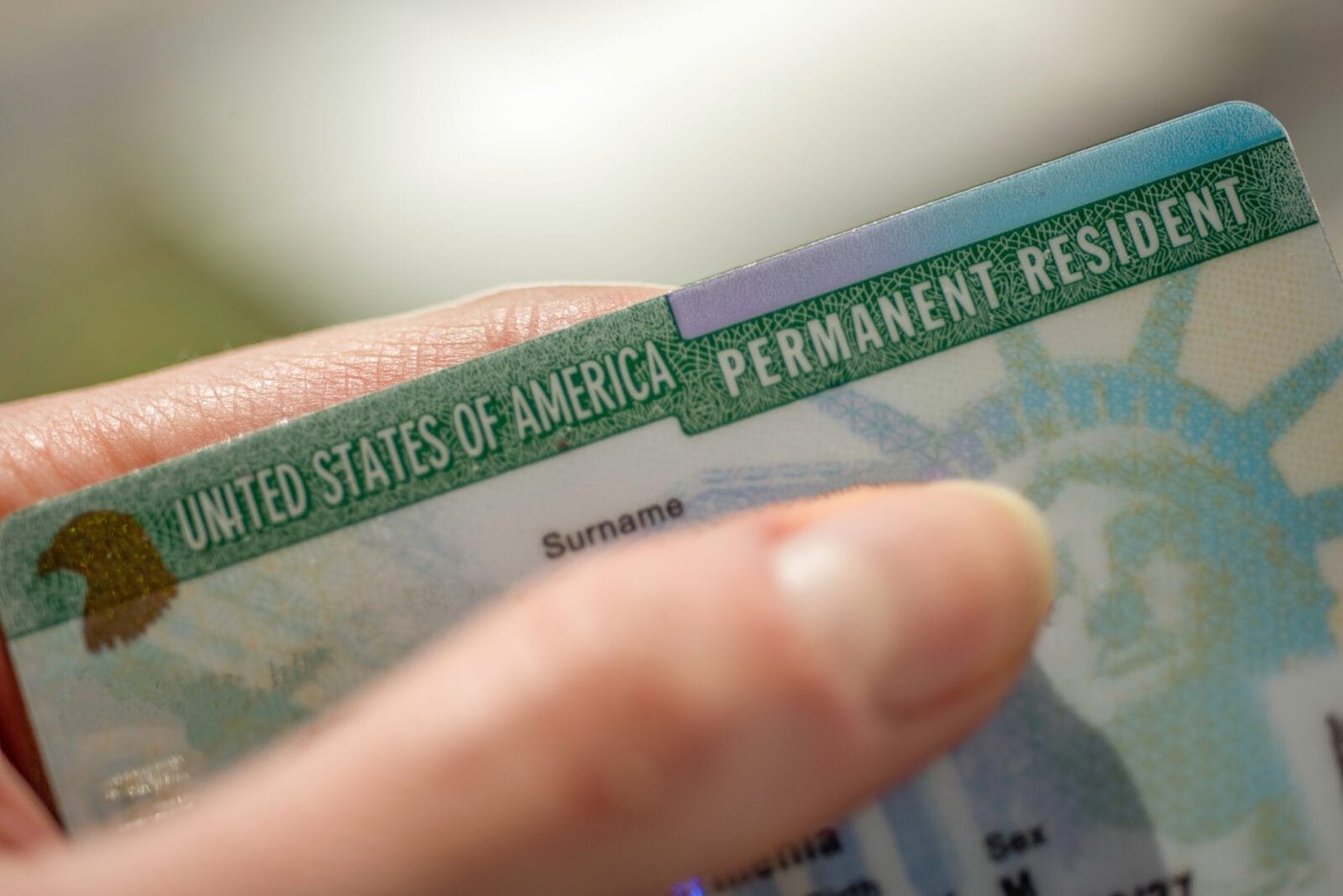
U.S. Citizenship and Immigration Services (USCIS) published its final rule and moved forward with significant fee increases for various immigration applications. This change represents the first major fee adjustment since 2016 and addresses the agency’s operational and financial challenges. The new prices took effect April 1, 2024, and all applications postmarked after that date are charged the new, higher costs.
This increase has substantial implications, particularly for family-based immigration applications, among the most affected categories. This article outlines the new application costs and the timeline on which they took effect.
Boundless can help you pay your government fees over time. Get started today.
{{tip-component-1}}
{{cta-component-horizontal-aligned}}
How to Calculate the Increased USCIS Costs
The chart below outlines expected immigration benefits and their associated application fees. To understand how the price increase could impact your application, reference the “New Fee” column.
(Form I-485) without Work or Travel Permits
Form I-765 Work Permit (Optional)
Form I-131 Travel Permit (Optional)
with Form I-130 + Work and Travel Permits
Employment-Based Fee Changes
In addition to family-based immigration, work visa categories and employment-based green cards also saw a jump in costs on April 1, 2024. If you’re a work visa holder, or a U.S. employer sponsoring foreign workers, here are some of the filing costs under USCIS’ new fee structure:
Strategies for Applicants
The April 1, 2024 deadline has passed, so applications filed now are charged the higher fees. Accuracy and completeness in application submissions remain vital to prevent delays or rejections. Boundless can help make sure your application is timely and correct. Get started.
Background of the USCIS Fee Increase
USCIS is unique among federal agencies in that it is primarily fee-funded, which means its budget comes from application fees, not taxes or Congress. This self-sustaining model makes periodic fee revisions crucial to the agency’s functioning.
Since 2016, the fee structure of USCIS hasn’t been enough to meet its running costs. The COVID-19 pandemic made things worse by causing a significant decrease in immigration applications, which led to less money coming in. On top of this, the agency has been struggling to deal with a growing pile of applications and to keep providing good customer service.
Frequently Asked Questions About the USCIS Fee Hike
How can I calculate the new fees for my application?
USCIS provides a fee calculator on its website. Applicants can input their specific case details to get an estimate of the fees they will need to pay.
Are there any fee waivers available under the new structure?
Yes, USCIS continues to offer fee waivers for specific forms and applicants who demonstrate an inability to pay. Applicants should check the USCIS website for the latest information on fee waivers.
When did these new fees come into effect?
The new fees were implemented April 1, 2024.
How will this fee increase impact processing times?
USCIS aims to use the additional revenue to address application backlogs and improve processing times. However, the impact will depend on various factors, including application volume and staffing.
Stay Updated:
For the full list of fee changes, it’s best to check the USCIS website directly. Some fees have changed again since April 2024, so confirm the current amount for your form on the USCIS fee schedule before filing. This update is vital for anyone involved in the immigration process, highlighting the importance of acting quickly and being well-informed.
{{cta-component-center-aligned}}

.svg)
- Form I-130 (Petition for Alien Relative), commonly used for family reunification, including marriage green cards, increased 26% to $675 for paper filing, and $625 for those filing online.
- Form I-129F (Petition for Alien Fiancé(e)), essential for individuals who intend to bring their fiancé(e) to the U.S., went up from $535 to $675 (26%).
- Form I-485 (Application to Register Permanent Residence or Adjust Status), used by those seeking a green card or permanent residency, also went up 18% for the standalone application (from $1,225 to $1440). However, two formally free applications within the adjustment of status process, employment authorization, and advance parole, will now cost an additional $260 and $630, respectively.
.png)

.png)





.svg)
.avif)