Author:
Updated
February 27, 2026
U.S. Immigration News

This Week in Immigration: February 27, 2026

This week's round-up of the biggest, need-to-know immigration news, brought to you by Boundless Immigration.

U.S. Immigration News

Visa Bulletin for March Shows Progress in Key Employment Categories

The U.S. Department of State released the March 2026 Visa Bulletin, outlining green card wait times for applicants in family- and employment-based categories. 

Employment-based categories saw notable progress. EB-4 advanced nearly two years worldwide, while EB-2 India moved forward by 11 months. EB-2 also became “Current” for most countries except China and India. Family-based movement remained limited, with modest gains in F-2A and a four-month advance for the Philippines in F-3. For more info, check out Boundless’ detailed blog post

Trump Highlights Border Enforcement in State of the Union

In his State of the Union address, President Donald Trump focused on border security and the removal of immigrants without legal status, framing them as central priorities of his administration. He said illegal border crossings have fallen sharply and that no migrants have been released into the United States pending court proceedings in recent months.

Customs and Border Protection (CBP) data show encounters at the southern border declined significantly compared with a year earlier. Trump also pointed to efforts to curb drug trafficking by sea, though experts note that drug seizure data does not measure the total volume of drugs entering the country.

U.S. to Provide Consular Services in West Bank Settlements

The U.S. Embassy in Jerusalem will begin offering passport services in Efrat, a Jewish settlement in the West Bank, marking the first time American consular assistance is delivered inside a settlement. Similar pop-up services are planned in Beitar Illit. Embassy officials say the move does not change U.S. policy.

But Israeli and Palestinian leaders across the political spectrum called it significant. Supporters on Israel’s right praised the decision, while critics, including Hamas and former U.S. Ambassador Daniel Kurtzer, said it effectively legitimizes settlements widely viewed as illegal under international law.

DOL Wage Rule Proposal for H-1B and PERM Clears Federal Review

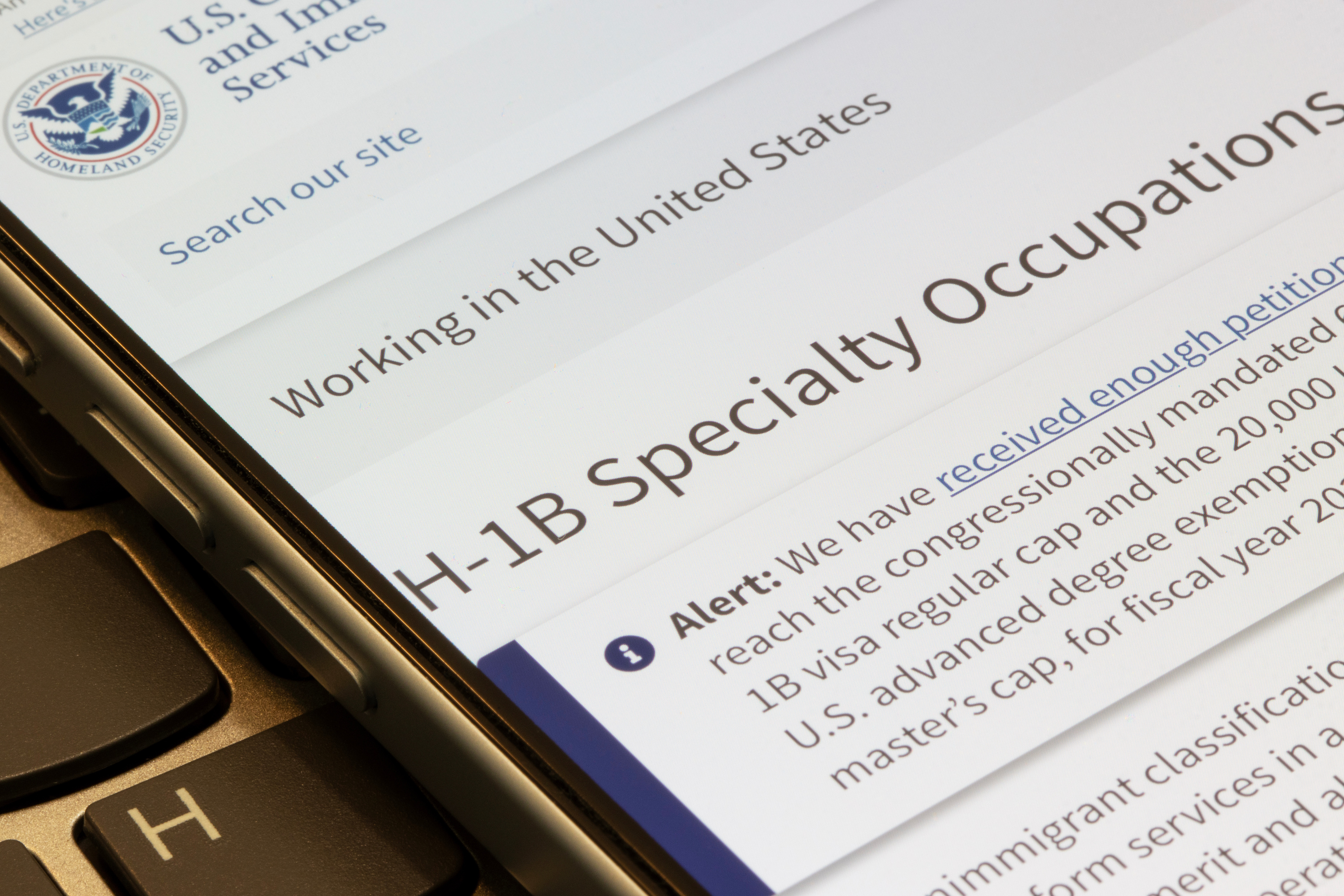
A U.S. Department of Labor (DOL) proposal to revise wage rules in the H-1B and PERM labor certification programs has cleared review by the Office of Management and Budget, moving it closer to publication in the Federal Register. The proposal’s details remain confidential, but it could raise prevailing wage requirements, increasing minimum pay levels for H-1B workers and employment-based green card roles. The rule will not take effect unless it completes the public comment process and final rulemaking stages, which could take several months.

Trump Administration Weighs Requiring Banks to Collect Citizenship Information

The Trump administration is reviewing potential action that could require banks to collect customers’ citizenship information, according to people familiar with internal discussions. Options reportedly include an executive order or regulatory steps through the Treasury Department. 

U.S. banks already verify customer identities under anti-money-laundering laws but are not required to gather citizenship status. No decision has been finalized, and the White House said reports about unannounced policy proposals amount to speculation.

Global

New Zealand Updates Occupation List and Raises Median Wage Thresholds

New Zealand has added new roles to its National Occupation List and confirmed an increase to the median wage benchmark used across several visa programs. Beginning March 9, updated wage thresholds will apply to Green List pay requirements, exemptions for highly paid roles, maximum stay rules for certain lower-skilled workers, and income requirements for supporting partners and children. Hourly thresholds will rise across skill levels and Green List roles. Wage criteria for key residence pathways, including the Skilled Migrant Category, will also increase.

Canada Overhauls Express Entry Categories for 2026

Canada has updated its 2026 Express Entry category-based draws to prioritize candidates with Canadian work experience and skills in key sectors. Immigration, Refugees and Citizenship Canada introduced new occupation-focused streams for medical doctors, researchers, senior managers, transport workers, and certain military recruits. Existing priority categories, including French-language proficiency, healthcare, education, STEM, and trades, will continue. The minimum work experience requirement for all occupational categories increases from six months to one year within the past three years. The changes took effect February 18, 2026.

{{cta-component-horizontal-aligned}}

No items found.
No items found.

Subscribe to our newsletter
Get peace of mind with attorney-reviewed forms, step-by-step instructions, and live support — all for one flat fee.

Not sure where to start?

We’ll guide you.

Not sure where to start?

We’ll guide you.

Name
Company
Number
Team
Full name
Test
14
Team name
Full name
Company
14
Team name
Full name
Company
14
Team name
Full name
Company
14
Team name
Full name
Company
14
Team name
Alison Moodie
Head of Content

Start your journey